

Founded in 2006
Global Leader
MT4/MT5
Minimum deposit: £/$ 100
57% of retail investor accounts lose money when trading CFDs with this provider.

Founded in 2001
#1 US forex broker*
80+ Forex Pairs
Minimum deposit: £/$ 100
74-76% of retail investor accounts lose money when trading CFDs with this provider.

Founded in 2009
Spreads from 0.0
MT4 / MT5
Minimum Deposit $5
75.99% of retail investor accounts lose money when trading CFDs with this provider.

Founded in 2005
True ECN/STP
MT4/MT5
Spreads from 0.0 pips
72.5% of retail investor accounts lose money when trading CFDs with this provider.

Founded in 2014
True ECN/STP
Spreads from 0.0 pips
Minimum deposit: $0
BlackBull Markets is a strong choice in 2026

Founded in 2007
True ECN/STP
MT4/MT5
Minimum deposit: £/$ 5
71.63% of retail investor accounts lose money when trading CFDs with this provider.

Founded in 2009
True ECN/STP
TradingView
Minimum deposit: £/$ 100
83.36% of retail investor accounts lose money when trading CFDs with this provider.

Founded in 2009
True ECN/STP
Spreads from 0.0 pips
Minimum deposit: $50
How to Choose a Forex Broker » The Ultimate Guide
The foreign exchange market, commonly known as forex, is the largest and most liquid financial market in the world. Every day, trillions of dollars are exchanged as traders speculate on currency price movements. To access this global marketplace, traders must work with a forex broker.
Understanding How to choose a forex broker is one of the most important decisions a trader will ever make. The right broker can help you trade smoothly, securely, and cost-effectively. The wrong broker, however, can lead to high fees, poor execution, or even financial loss due to scams.
This guide breaks down everything you need to know in simple, practical terms so you can confidently choose a broker that fits your trading goals.
Why Choosing the Right Forex Broker Matters
Choosing a forex broker is not just about finding a platform to place trades. It directly affects:
- Your trading costs
- The safety of your funds
- Execution speed and slippage
- Access to tools, charts, and education
- Your overall trading experience
Even the best trading strategy can fail if your broker has wide spreads, slow execution, or unreliable systems. That’s why learning How to choose a forex broker is essential for both beginners and experienced traders.

#1 US forex broker*
74-76% of retail investor accounts lose money when trading CFDs with this provider.
Understanding Different Types of Forex Brokers
Forex brokers operate using different execution models. Knowing the difference helps you select the best option for your trading style.
Market Maker Brokers
Market makers create their own market by setting buy and sell prices internally.
Pros:
- Fixed spreads
- Low minimum deposits
- Beginner-friendly
Cons:
- Potential conflict of interest
- Prices may differ from the interbank market
ECN Brokers (Electronic Communication Network)
ECN brokers connect traders directly to liquidity providers like banks and institutions.
Pros:
- Tight spreads
- Transparent pricing
- No dealing desk intervention
Cons:
- Commission-based fees
- Higher minimum deposits
STP Brokers (Straight Through Processing)
STP brokers send orders directly to liquidity providers without dealing desk intervention.
Pros:
- Fast execution
- Competitive spreads
- Reduced conflict of interest
Cons:
- Variable spreads
- Limited control over execution prices
Regulation and Licensing: The First Safety Check
Regulation is the most critical factor when learning How to choose a forex broker.
A regulated broker must follow strict financial rules, keep client funds segregated, and submit to regular audits.
Top Global Regulatory Authorities
Some of the most trusted regulators include:
- Abu Dhabi Global Markets (ADGM) – Abu Dhabi
- Australian Securities and Investments Commission (ASIC) – Australia
- Canadian Investment Regulatory Organization (CIRO) – Canada
- Cyprus Securities and Exchange Commission (CySEC) – Cyprus (EU)
- Monetary Authority of Singapore (MAS) – Singapore
- South African Financial Sector Conduct Authority (FSCA) – South Africa
- Financial Conduct Authority (FCA) – United Kingdom
- Commodity Futures Trading Commission (CFTC) – United States
- National Futures Association (NFA) – United States
You can verify regulatory licenses directly on the regulator’s official website, such as the FCA register:
👉 https://www.fca.org.uk/
How to Verify a Broker’s License
Always:
- Visit the regulator’s website
- Search for the broker’s license number
- Confirm the company name and address
If the broker is not listed, walk away.
To facilitate your search, please note that all forex brokers listed on FX.Broker are authorized and regulated by one or more regulatory authorities.
Trusted by over 15 Million Traders from over 190 countries.
75.99% of retail investor accounts lose money when trading CFDs with this provider.
Trading Costs and Fees
Low trading costs can significantly improve long-term profitability.
Spreads and Commissions
- Spread: Difference between buy and sell price
- Commission: Fixed fee per trade (common with ECN brokers)
Tight spreads are ideal for scalpers and day traders.
Swap Fees and Hidden Charges
Check for:
- Overnight swap fees
- Inactivity fees
- Withdrawal fees
- Currency conversion fees
Transparent brokers clearly disclose all costs upfront.
Trading Platforms and Technology
A reliable trading platform is essential.
MetaTrader 4 vs MetaTrader 5
MetaTrader 4 (MT4):
- Forex-focused
- Lightweight and stable
- Popular with beginners
MetaTrader 5 (MT5):
- Supports forex, stocks, and commodities
- More indicators and timeframes
- Faster execution
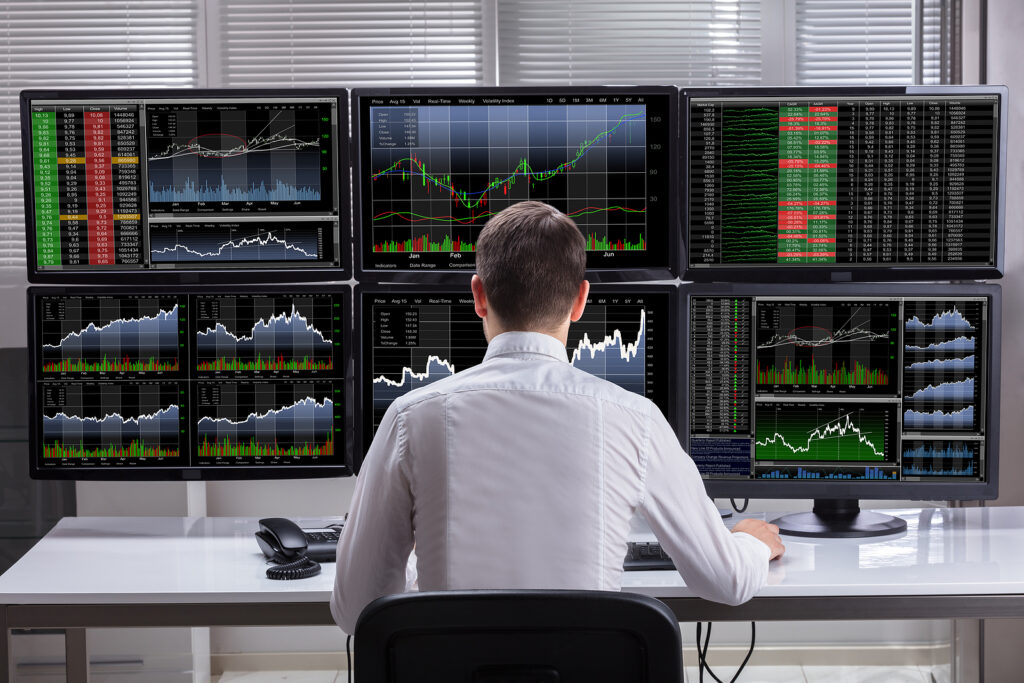

FP Markets operates primarily as an ECN/STP broker
72.5% of retail investor accounts lose money when trading CFDs with this provider.
Mobile Trading Apps
A good broker should offer:
- iOS and Android apps
- Real-time price updates
- Easy order execution
- Secure login options
Account Types and Minimum Deposits
Most brokers offer multiple account types, such as:
- Standard accounts
- Micro or cent accounts
- ECN accounts
- Islamic (swap-free) accounts
Beginners should look for low minimum deposits and flexible account options.
Leverage and Margin Requirements
Leverage allows traders to control larger positions with smaller capital.
While high leverage (1:500 or more) can increase profits, it also increases risk. Regulated brokers often limit leverage to protect traders.
Choose leverage that matches your experience and risk tolerance.
Order Execution Speed and Slippage
Fast execution is crucial, especially for short-term traders.
Look for brokers that offer:
- Low latency servers
- Minimal slippage
- No requotes
Poor execution can turn winning trades into losses.
Deposit and Withdrawal Methods
Reliable brokers offer multiple funding options, such as:
- Bank transfers
- Credit/debit cards
- E-wallets (Skrill, Neteller)
- Local payment methods
Withdrawals should be:
- Fast
- Transparent
- Fee-free or low-cost
Customer Support and Service Quality
Strong customer support reflects broker reliability.
Check for:
- 24/5 or 24/7 support
- Live chat, email, and phone options
- Fast response times
- Multilingual support
Test support before opening an account.


TRADE WITH CONFIDENCE
57% of retail investor accounts lose money when trading CFDs with this provider.
Educational Resources and Trading Tools
Quality brokers invest in trader education, offering:
- Webinars
- Video tutorials
- Market analysis
- Economic calendars
- Risk management tools
These resources are especially helpful for beginners.
Demo Accounts and Practice Trading
A demo account allows you to trade with virtual money.
Benefits include:
- Learning the platform
- Testing strategies
- Understanding spreads and execution
Never skip the demo phase.
Red Flags to Avoid When Choosing a Forex Broker
Avoid brokers that:
- Are unregulated
- Promise guaranteed profits
- Pressure you to deposit quickly
- Have unclear fee structures
- Receive consistent negative reviews
Trust and transparency are non-negotiable.


Providing an institutional experience for all traders!
BlackBull Markets is a strong choice in 2026
Conclusion: Making the Right Broker Choice
Learning how to choose a forex broker is a critical step toward successful trading. The right broker provides security, fair pricing, fast execution, and the tools you need to grow as a trader. FX.Broker is committed to provides accurate data for every forex broker. Here you will find the largest independent database on the web covering the forex brokerage industry. We verified all data submitted by brokers for accuracy.
Take your time, compare options carefully, verify regulation, and always start with a demo account.
A well-chosen broker becomes a long-term partner in your trading journey — not an obstacle.
FAQs About How to Choose a Forex Broker
Is regulation really necessary?
Yes. Regulation protects your funds and ensures fair trading practices.
Should I choose low spreads or no commission?
It depends on your trading style. Scalpers often prefer tight spreads, while long-term traders may accept wider spreads.
Can I trade forex on my phone?
Yes, most brokers offer mobile trading apps with full functionality.
How much money do I need to start forex trading?
Some brokers allow accounts with as little as $10, but $100–$500 is more practical.
Are offshore forex brokers safe?
Only if they are properly regulated by reputable authorities. Otherwise, they carry higher risk.