

What Is a Forex Trading Platform?
What Is a Forex Trading Platform?
A Forex trading platform is the software that allows traders to access the foreign exchange market, analyze price movements, and execute trades through a broker. It acts as the main interface between the trader and the global currency markets.
Through a trading platform, traders can:
- View live market prices
- Analyze charts and technical indicators
- Place buy and sell orders
- Manage open positions
- Monitor account balances
- Access trading tools and analytics
Without a trading platform, retail traders would not be able to participate in the Forex market.
Today’s trading platforms are sophisticated tools that combine market analysis, trade execution, automation, and risk management in one environment.
Why Trading Platforms Are Essential for Forex Traders
In the early days of retail Forex trading, traders relied on basic interfaces with limited functionality. Modern platforms now provide powerful analytical tools, automation features, and multi-device access.
A high-quality trading platform can significantly improve a trader’s experience by offering:
- Faster trade execution
- Advanced charting capabilities
- Risk management tools
- Automated trading systems
- Access to multiple markets
Because trading platforms play such a critical role, choosing the right one is one of the most important decisions a trader can make.
Key Features of a Good Forex Trading Platform
Not all trading platforms are created equal. The best platforms offer a combination of powerful tools, reliability, and ease of use.
Here are the most important features traders should look for.
Advanced Charting Tools
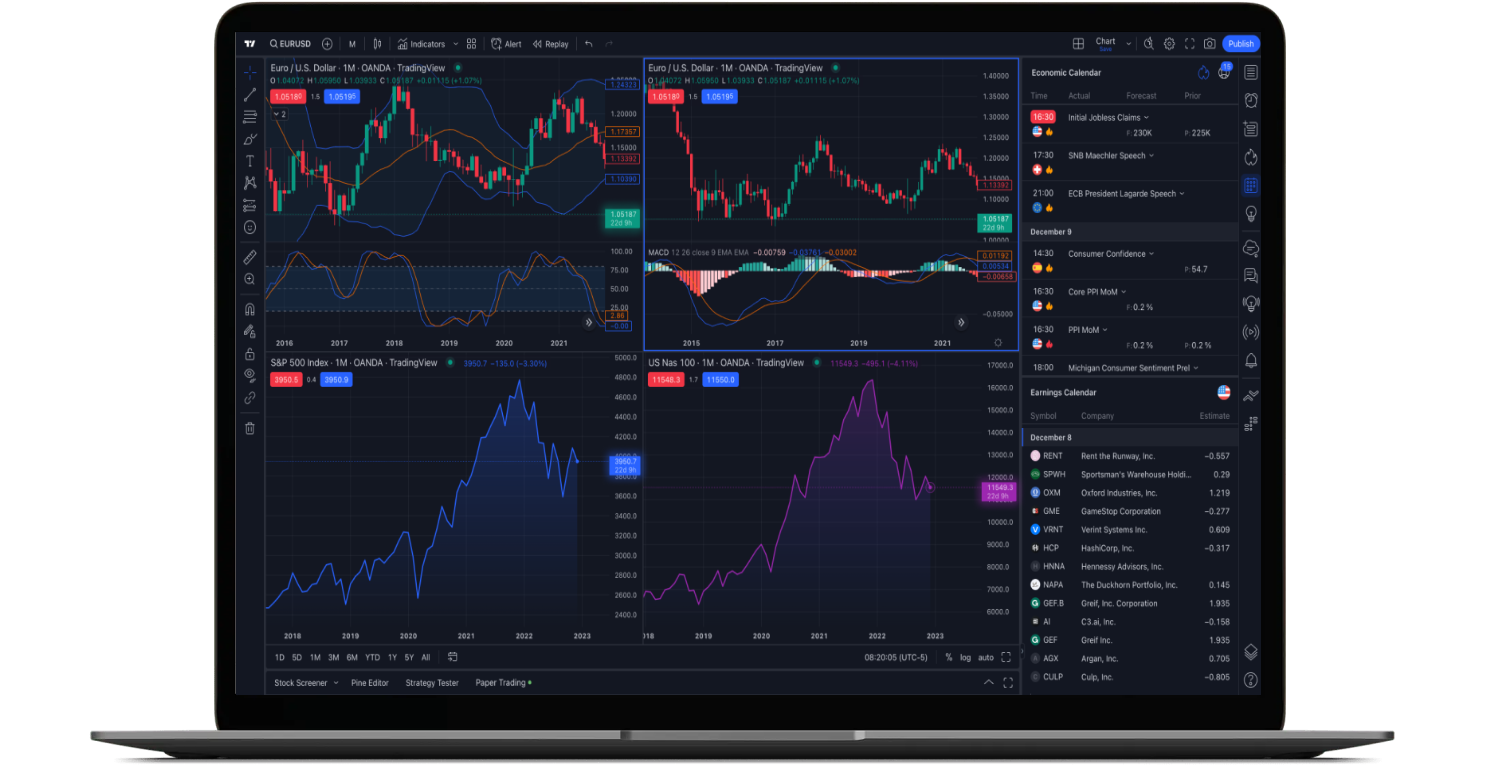
Technical analysis is a core component of Forex trading. A good platform should provide high-quality charts with customizable indicators and drawing tools.
Key charting features include:
- Multiple chart types (candlestick, line, bar, etc.)
- Multiple timeframes
- Technical indicators
- Drawing tools for trendlines and patterns
- Multi-chart layout support
Platforms like MetaTrader, cTrader, and TradingView are known for strong charting capabilities.
Fast and Reliable Trade Execution
Execution speed is crucial in the Forex market, especially for day traders and scalpers.
A reliable trading platform should offer:
- Low latency execution
- Minimal slippage
- Stable server connections
- Advanced order types
The quality of execution often depends on both the platform technology and the broker’s infrastructure.
Multiple Order Types
Forex platforms typically offer several types of orders to help traders control how trades are executed.
Common order types include:
- Market orders
- Limit orders
- Stop orders
- Stop-loss orders
- Take-profit orders
- Trailing stops
Advanced platforms may also include stop-limit orders and conditional orders.
Automated Trading Capabilities
Many traders use automated strategies to remove emotion from their trading decisions.
Automation allows traders to:
- Develop algorithmic strategies
- Backtest trading systems
- Run automated bots
- Optimize trading performance
Platforms like MetaTrader support automated trading through Expert Advisors (EAs), while others use different scripting languages.
Multi-Device Access
Modern traders expect flexibility. Most trading platforms now support multiple devices, including:
- Desktop computers
- Web browsers
- Smartphones and tablets
Mobile trading apps allow traders to monitor markets and manage positions from anywhere.
Types of Forex Trading Platforms
There are several types of trading platforms available in the Forex market.
Proprietary Broker Platforms
Some brokers develop their own custom platforms tailored to their trading environment.
Advantages include:
- Integration with broker services
- Unique trading tools
- Simplified user interfaces
However, proprietary platforms are often less widely supported than third-party platforms.
Third-Party Trading Platforms
Third-party platforms are developed by independent companies and used by multiple brokers.
These platforms are popular because they offer:
- Standardized features
- Large user communities
- Extensive tool marketplaces
The most widely used third-party Forex trading platforms include:
- MetaTrader 4 (MT4)
- MetaTrader 5 (MT5)
- cTrader
- TradingView
Each of these platforms has its own strengths and target audience.
Popular Forex Trading Platforms
MetaTrader 4 (MT4)
MetaTrader 4 remains one of the most widely used trading platforms in the Forex industry.
It is known for:
- Simplicity and reliability
- Massive ecosystem of indicators and Expert Advisors
- Wide broker support
MT4 is especially popular among retail traders and algorithmic trading enthusiasts.
MetaTrader 5 (MT5)
MetaTrader 5 is the successor to MT4 and offers more advanced features.
Key improvements include:
- More timeframes and indicators
- Multi-asset trading support
- Faster backtesting engine
- Depth of Market (DOM)
MT5 is increasingly becoming the preferred platform for multi-asset traders.
cTrader
cTrader is designed for traders who prioritize transparency and professional-level execution.
Its main advantages include:
- Level II pricing
- Advanced order execution
- Modern user interface
- Strong ECN trading environment
Many professional traders and scalpers prefer cTrader for its execution quality.
TradingView
TradingView is widely regarded as one of the best charting platforms in the world.
It offers:
- Powerful charting tools
- Social trading features
- Cloud-based accessibility
- Integration with multiple brokers
Many traders use TradingView for market analysis even when executing trades on other platforms.
How to Choose the Best Forex Trading Platform
Choosing the right trading platform depends on your trading style, experience level, and technical needs.
Here are some factors to consider.
Ease of Use
Beginner traders should look for platforms with intuitive interfaces and strong educational resources.
Analytical Tools
Advanced traders often require sophisticated charting tools and custom indicators.
Automation Support
If you plan to use algorithmic trading, make sure the platform supports automated strategies.
Broker Compatibility
Not all brokers offer every platform. Always verify that your chosen broker supports the platform you want to use.
Community and Ecosystem
Platforms with large communities often offer:
- More tutorials
- Third-party tools
- Trading strategies
- Custom indicators
This can be extremely helpful for both beginners and experienced traders.
The Future of Forex Trading Platforms
Forex trading platforms continue to evolve rapidly as technology improves.
Future trends may include:
- Artificial intelligence trading tools
- Advanced automation systems
- Deeper market analytics
- Better mobile trading experiences
- Integration with decentralized finance (DeFi)
Platforms that adapt to these innovations will likely dominate the next generation of retail trading.
Final Thoughts
Forex trading platforms are the foundation of the modern trading experience. They provide the tools traders need to analyze markets, execute trades, and manage risk effectively.
Whether you are a beginner exploring the Forex market or an experienced trader looking for advanced features, selecting the right platform is essential.
In the following platform reviews, we take a deeper look at some of the most popular trading platforms available today, including MetaTrader 4, MetaTrader 5, cTrader, and TradingView, to help you determine which one best fits your trading strategy.